
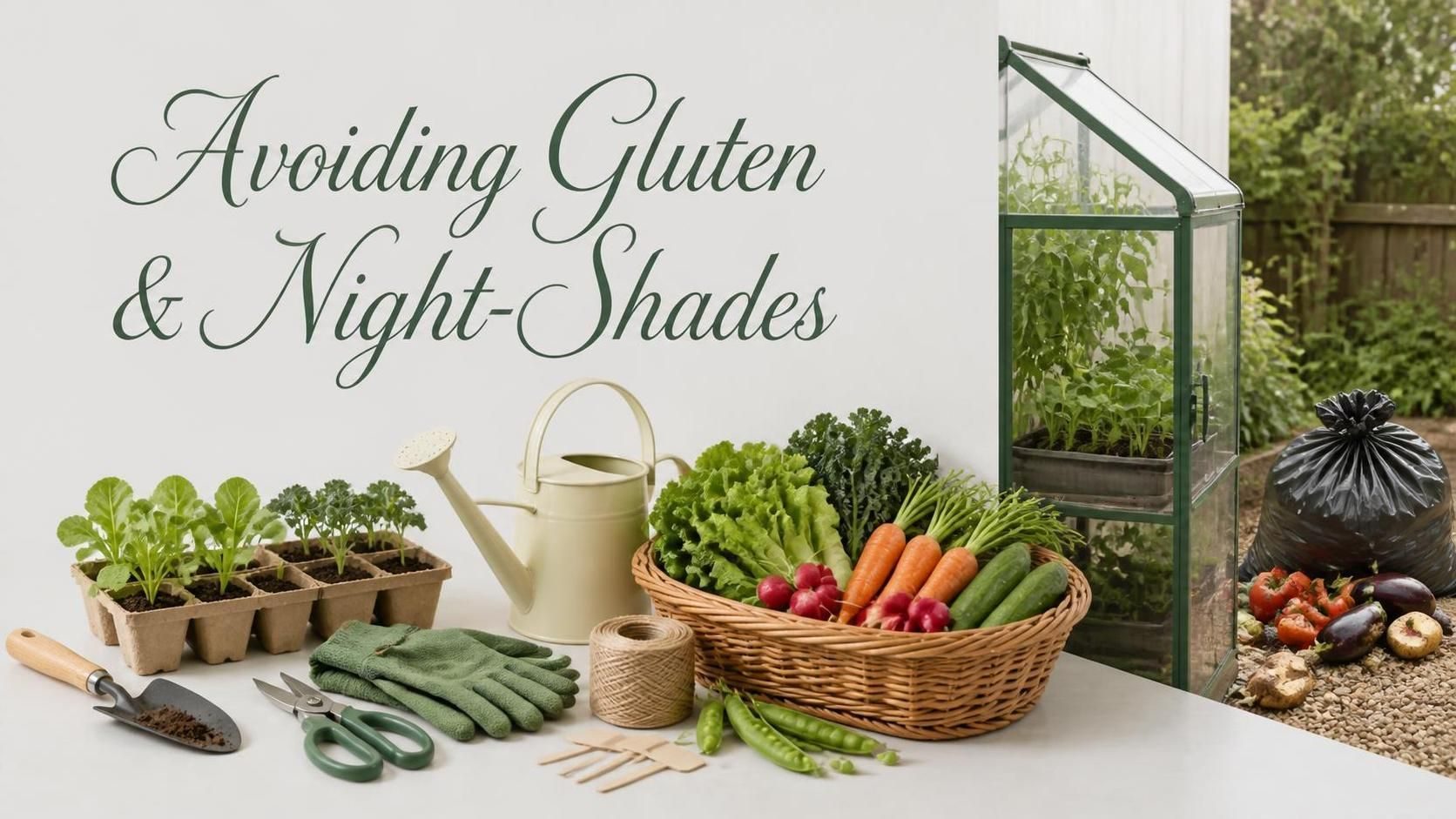
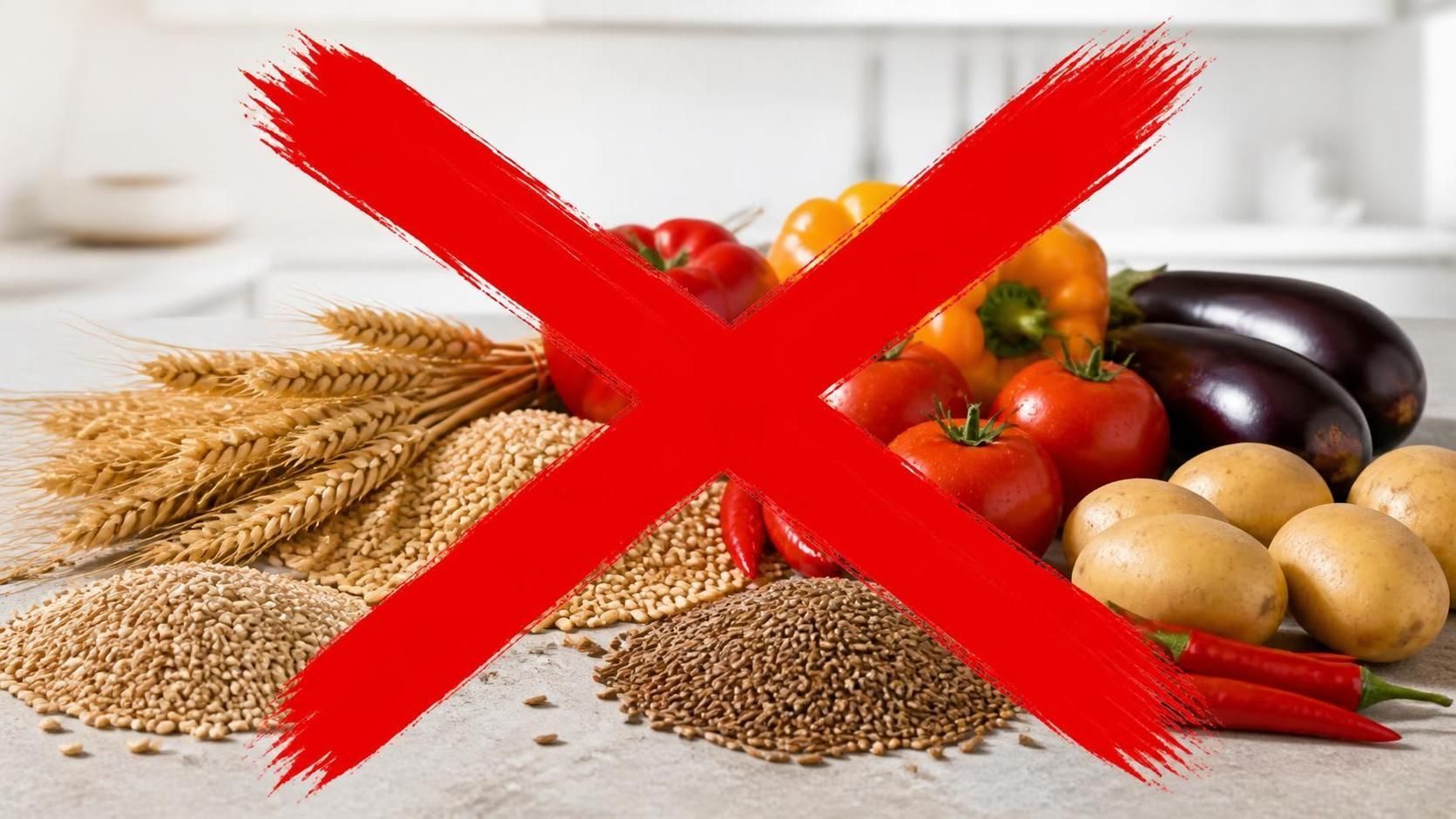
Avoiding gluten and nightshade plants (like tomatoes, potatoes, eggplants, and peppers) is often part of an "elimination diet" aimed at reducing inflammation and improving digestion. People with autoimmune conditions like celiac, gluten-intollerance and others may experience these seven main benefits when eliminating both nightshade plants and gluten in their diet:
- Reduced Chronic Inflammation: Both gluten and nightshades are frequently cited as potential triggers for systemic inflammation. Removing them can help lower inflammatory markers, which is particularly beneficial for those with autoimmune disorders like i.e. arthritis.
- Improved Digestive Health: Eliminating gluten helps soothe gut tension, reducing common issues like bloating, gas, and diarrhea. For some, avoiding nightshades may also prevent "leaky gut" by protecting the intestinal lining from glycoalkaloids like solanine.
- Decreased Joint Pain and Stiffness: Many individuals find significant relief from joint pain after removing these food groups. Nightshades contain compounds that some believe can aggravate joint inflammation, and gluten is a known trigger for joint-related autoimmune symptoms.
- Increased Energy Levels: Avoiding these potential irritants can prevent the "sluggish" feeling or fatigue often reported after meals. Stabilizing your diet without these triggers often leads to more sustained energy throughout the day.
- Clearer Skin: Gluten and nightshade sensitivities are sometimes linked to skin conditions like eczema, psoriasis, or general acne. Removing them may lead to clearer, healthier skin.
- Enhanced Mental Clarity: "Brain fog" is a common symptom associated with gluten sensitivity. Eliminating these foods may improve focus and cognitive function by reducing internal stressors on the body.
- Weight Management Support: By cutting out many gluten-heavy processed foods and nightshade-rich items (like fried potatoes), people often naturally reduce their intake of refined carbs and unhealthy fats, leading to easier weight control.